RESCUE & REHABILITATION
Whatever they need, for as long as they need it
Every horse arrives with a different story. Some come to us through welfare agencies. Some are surrendered by owners who can no longer meet their needs. Others have been neglected, abandoned or found themselves in circumstances where their welfare is at risk.
Whatever brings them to us, our job is the same: understand what they need, give them time, and work towards the best possible future.
OUR APPROACH
Assess.
Plan.
Protect.
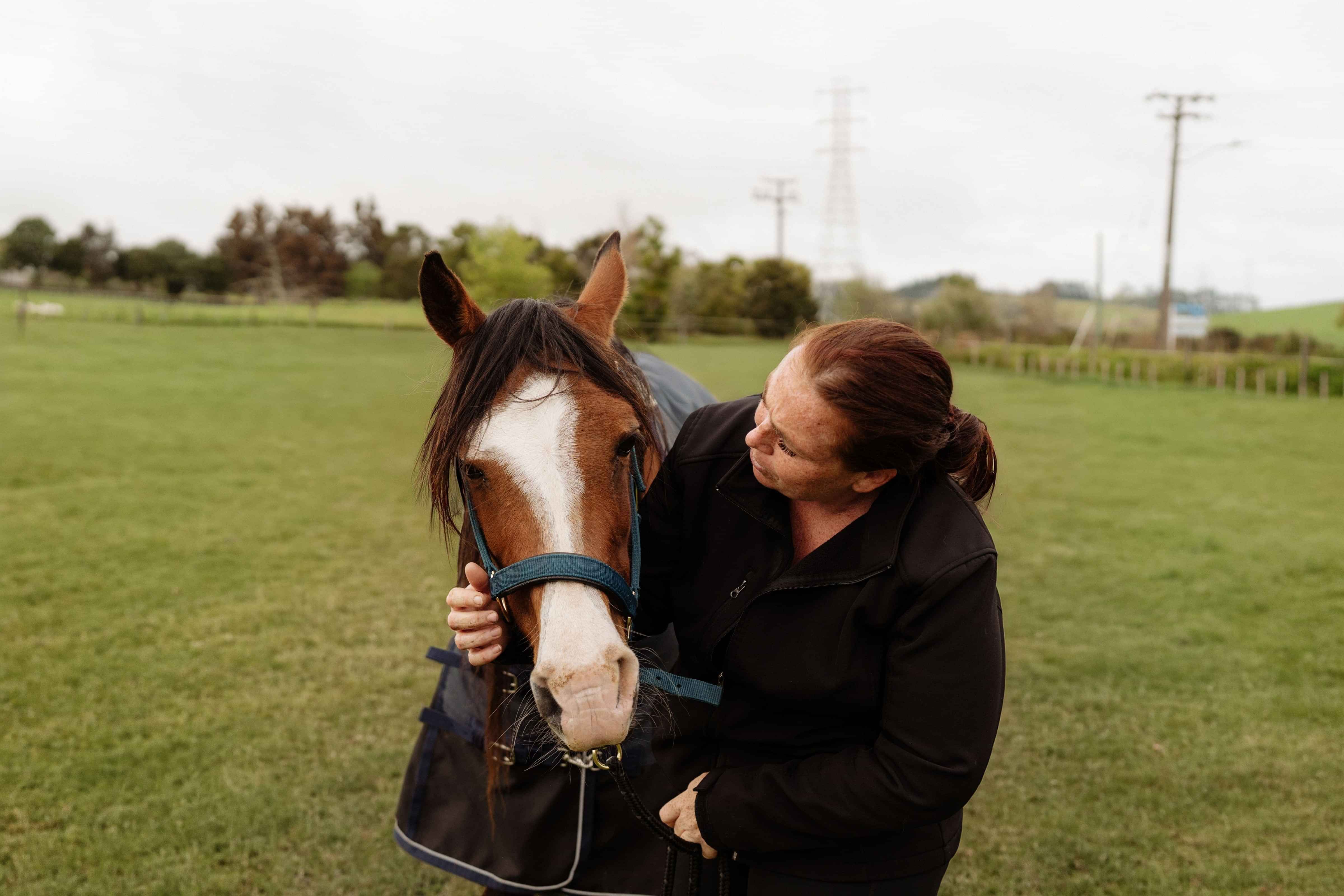
When a concern about a horse reaches us, we look at the whole picture before deciding what happens next. Often the best outcome is advice and support that keep a horse safely at home. When a horse does need to come into our care, this is where their recovery begins.
WHEN RESCUE IS NEEDED
Rehabilitation takes time
Arrive
We bring them in safely.
Our core team transports every horse safely into our care. Each new arrival is then assessed as an individual. Their physical condition, feet, teeth, nutrition, behaviour and immediate welfare needs all help us build a picture of what comes next.
Stabilise
The first priority is getting them well.
Veterinary treatment, farrier care, appropriate nutrition, parasite management, dental care and somewhere safe to rest all form part of those first weeks and months. A steady routine helps them settle.
Rehabilitate
Then we give them time.
Each horse has a plan built around their body condition, age, temperament and history. We adjust it as they progress, and it's never rushed. Many horses need a year or more before they're ready for the next step.
WHAT REHABILITATION CAN INVOLVE
Every horse's journey is different
Physical recovery
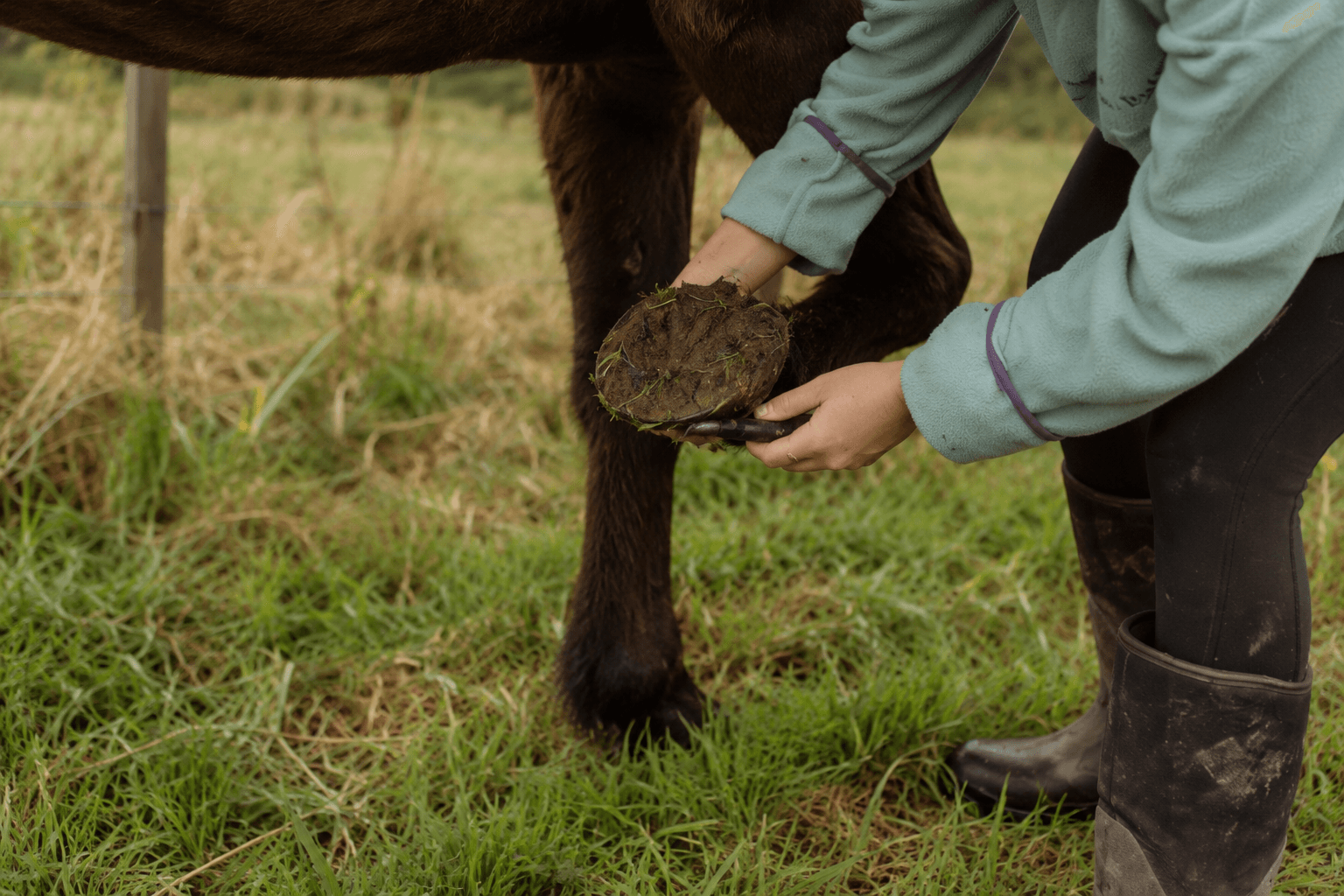
Ongoing vet treatment for injuries, lameness or long-term conditions, and carefully balanced feeding to rebuild weight safely. As they recover, the focus moves to rebuilding strength, muscle and fitness.
Trust & confidence
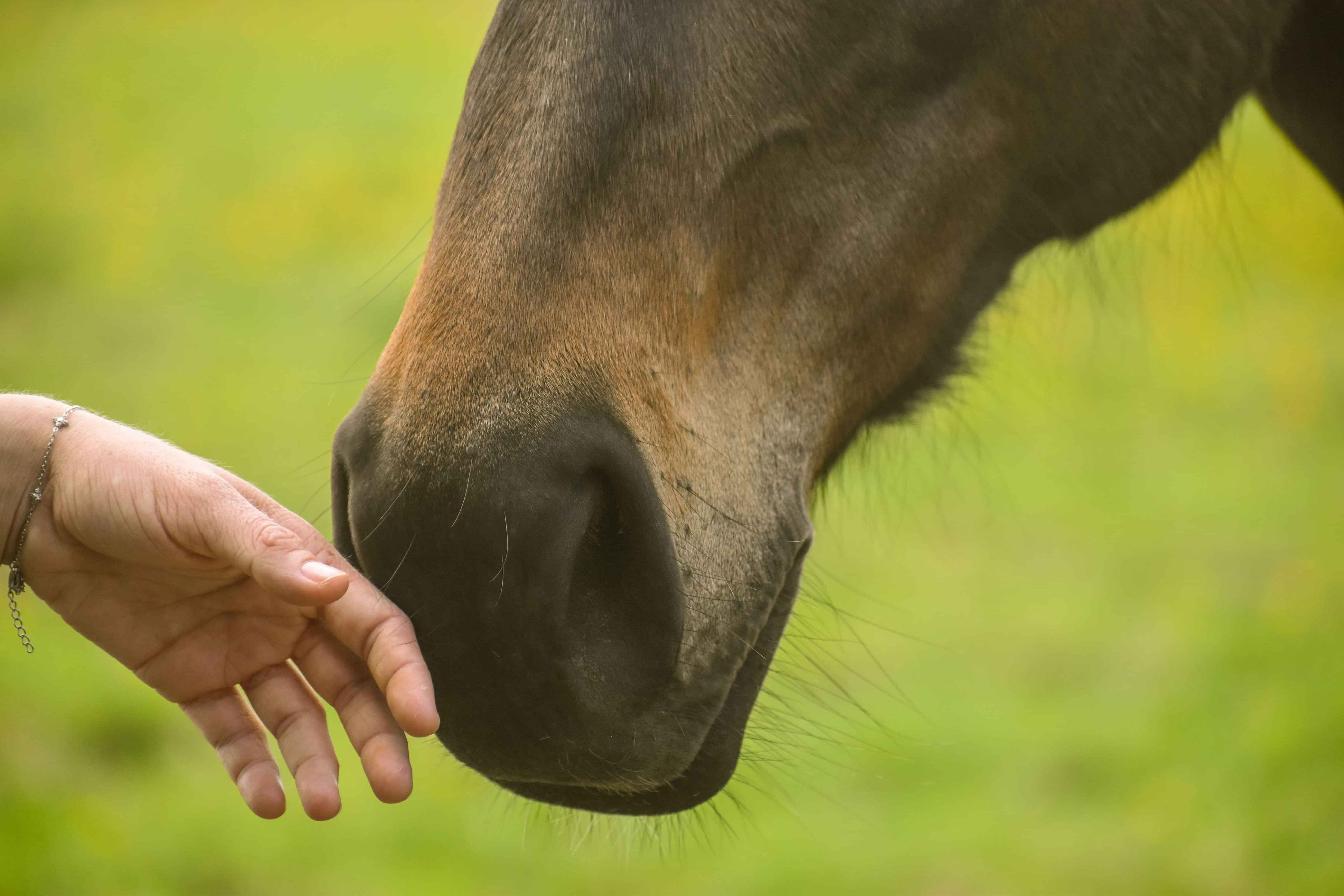
For horses who have experienced neglect, trauma or poor handling, rehabilitation also means rebuilding confidence around people and everyday life. Gentle, consistent handling helps them feel safe again.
Time
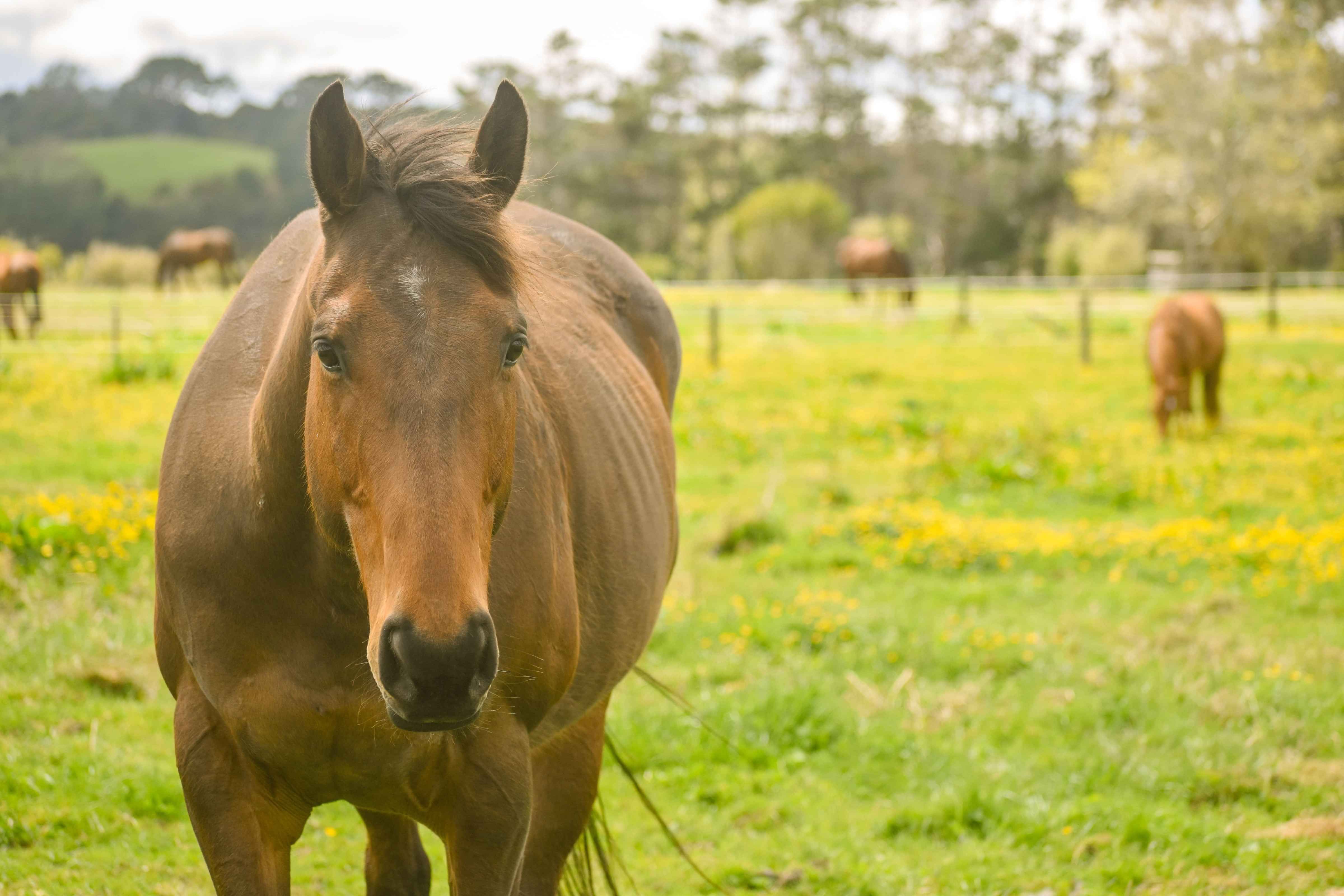
Perhaps the most important thing we can give them. We don't rehabilitate to a deadline. Progress happens at the horse's pace. Some are ready in months, others need a year or more.
OUR FOSTER NETWORK
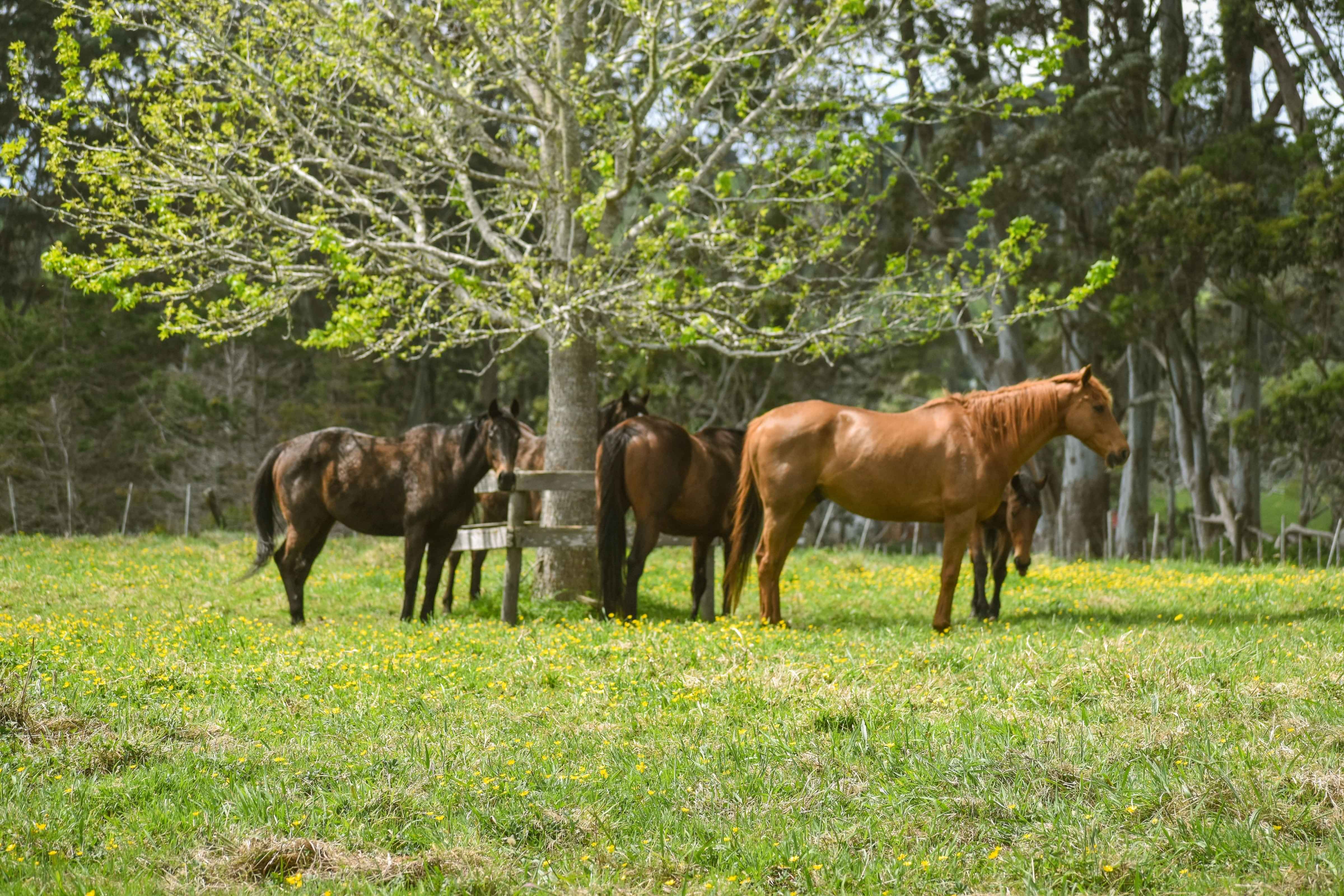
Recovery doesn't only happen on our properties
Initial rehabilitation generally takes place on our own properties when geography and circumstances allow, where we can closely manage a horse's care.
Once stable, many horses move into our network of experienced foster homes. Each home is checked and matched to the horse, and some specialise in retraining.
Foster care gives horses the opportunity to continue their rehabilitation in a home environment, while also allowing EWNZ to create space for the next horse who needs us.
Some horses will spend months in foster care. Others, because of their age, health or individual circumstances, become permanent fosters, with EWNZ continuing to support their care for the rest of their lives.
THE NEXT CHAPTER
Ready means more than healthy
A horse gaining weight isn't necessarily a horse ready for a new home.
Before rehoming, we want to understand who that horse is now: their temperament, handling, abilities, limitations and what kind of environment will allow them to thrive.
Some will go on to ridden homes. Some will be companions. Some may need experienced homes with particular requirements. And some won't be rehomed at all, staying in our care for life.
Every adopted horse can return to us if circumstances change.
The goal isn't simply to move horses through our care. It's to find the right outcome for each one.
YOUR PART IN THEIR RECOVERY
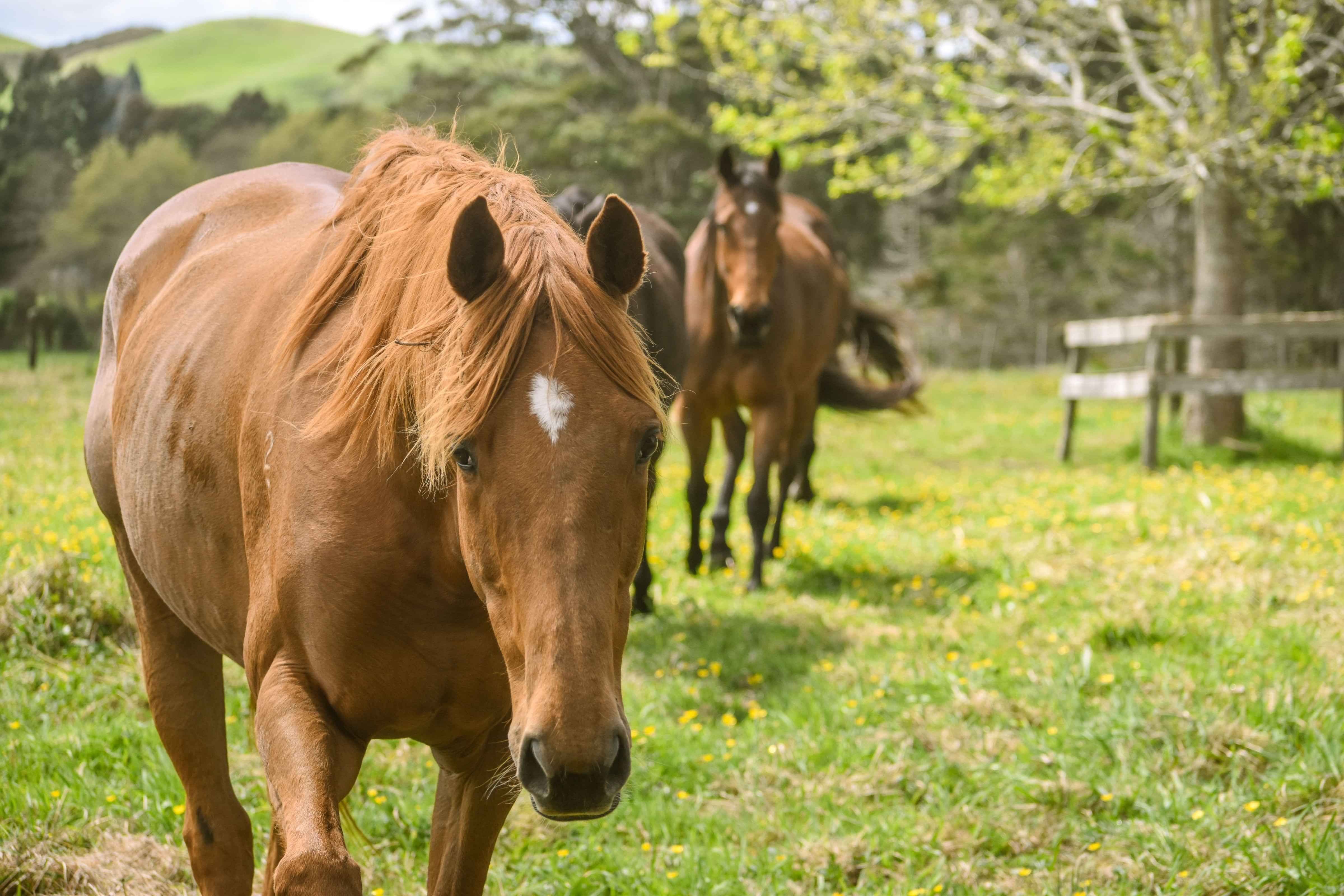
Help us give them the time they need
Rehabilitation can take weeks, months or sometimes years. Your support helps cover the feed, vet treatment, farrier care and transport that make recovery possible.

Equine Welfare NZ Registered Charitable Trust Building on the work of Rodney Animal Rescue
Charity Registration CC63890